
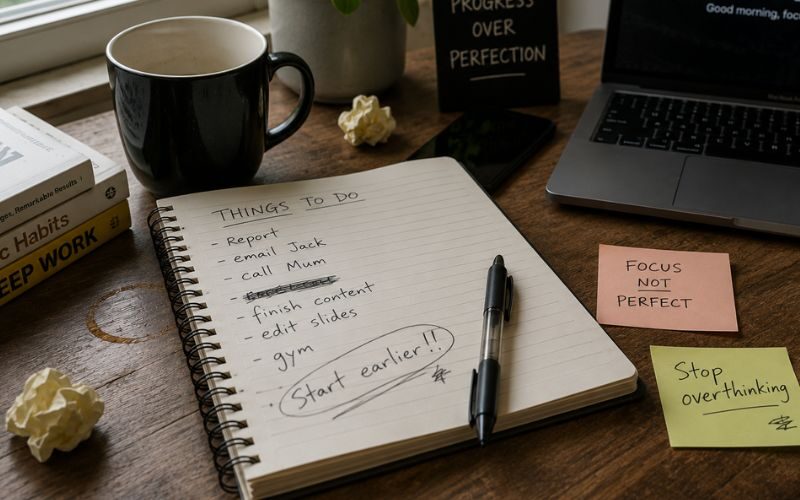
Almost everyone procrastinates from time to time. Whether it’s putting off a work project, delaying household chores or waiting until the last minute to start studying, procrastination is a common part of modern life.
Many people assume procrastination is simply a lack of discipline or motivation. However, psychologists have found that the reasons are often much more complex. In many cases, procrastination is closely linked to emotions, stress and the way our brains process rewards and uncertainty.
Understanding why we procrastinate can help us develop healthier habits and become more productive without relying solely on willpower.
Procrastination Is About Emotions, Not Laziness
One of the biggest misconceptions is that procrastination means someone is lazy. Research suggests that people often delay tasks because they trigger uncomfortable emotions such as anxiety, frustration, boredom or self-doubt.
Instead of facing these feelings, the brain seeks immediate relief by switching to something easier or more enjoyable. Watching a video, checking social media or organizing a desk may provide a temporary sense of accomplishment, even though the original task remains unfinished.
This emotional avoidance explains why procrastination can happen even when we genuinely want to complete an important project.
Why the Brain Chooses Immediate Rewards
The human brain naturally favors immediate gratification over long-term benefits. Psychologists refer to this tendency as present bias.
Completing a report that is due next week may provide future rewards, but scrolling through entertaining content offers instant satisfaction. Because immediate rewards activate the brain’s reward system more quickly, they often win the competition for our attention.
This is why even highly motivated people sometimes struggle to begin tasks that are important but not immediately rewarding.
Perfectionism Can Make Procrastination Worse
Many procrastinators are not avoiding work because they do not care. Instead, they care so much that they fear making mistakes.
Perfectionism can create unrealistic expectations. When people believe every project must be flawless, starting becomes intimidating. Delaying the task temporarily protects them from the possibility of failure or criticism.
Ironically, this often leads to rushed work and unnecessary stress as deadlines approach.
Small Tasks Feel Easier to Start
Large projects often feel overwhelming because the brain struggles to estimate the effort required.
Breaking a project into smaller, clearly defined steps makes it easier to begin. Instead of thinking about writing an entire report, focusing on writing the first paragraph feels much more manageable.
Each completed step also provides a small sense of progress, helping maintain motivation throughout the project.
The Environment Matters More Than You Think
Productivity is influenced not only by motivation but also by our surroundings.
A workspace filled with distractions makes it much easier to postpone important tasks. Constant notifications, open browser tabs and background interruptions compete for our limited attention.
Creating an environment that minimizes distractions can reduce the temptation to procrastinate before it even begins.
Why Deadlines Sometimes Help
Many people notice they become surprisingly productive just before a deadline.
As time runs out, the urgency increases and the brain begins to prioritize the task more aggressively. While this can lead to impressive bursts of productivity, it also increases stress and often reduces the quality of the final result.
Creating smaller personal deadlines throughout a project can provide the same motivational effect without the last-minute pressure.
Simple Strategies That Actually Work
Psychologists and productivity researchers often recommend practical techniques rather than relying on motivation alone.
- Break large projects into small, achievable tasks.
- Focus on starting instead of finishing.
- Remove unnecessary distractions from your workspace.
- Set realistic deadlines for each stage of a project.
- Celebrate small milestones to maintain motivation.
- Accept that good work is often better than perfect work.
These strategies reduce the emotional barriers that often lead to procrastination.
Progress Is More Important Than Perfection
Everyone procrastinates occasionally, and eliminating it completely is probably unrealistic. The goal is not to become perfectly productive every day, but to understand the habits and emotions that influence our decisions.
By recognizing why procrastination happens and making small adjustments to our routines, we can spend less time avoiding important tasks and more time making steady progress. In the long run, consistency almost always produces better results than waiting for the perfect moment to begin.